A parent once casually mentioned something that stayed with me.
Leo barely spoke French at home anymore. Every question got answered in English. Every attempt at practicing French turned into resistance or frustration.
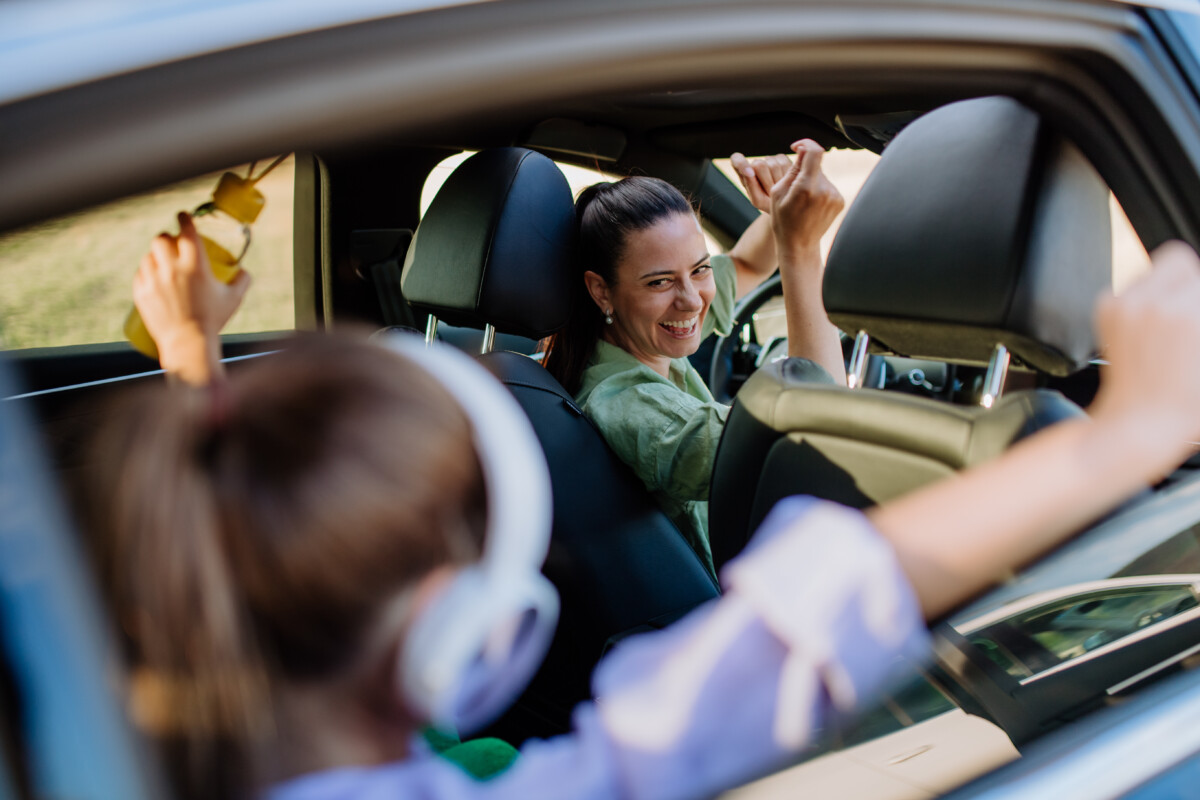
Then one afternoon after camp, his mom heard him singing in French alone in the backseat of the car. Quietly. Casually. Without being asked.
Stories like this stay with me because they reveal something important about language learning in children.
Children rarely fall in love with a language through repetition alone. They fall in love with it through people and through stories.
Right now, technology is changing language learning very quickly.
Children can practice vocabulary on Duolingo. Families can Youtube cartoons in French at home. Older students can have full conversations with ChatGPT in French, ask grammar questions instantly, or generate writing prompts in seconds.
I think a lot of this is exciting. Technology removes barriers. Families can access French books, music, podcasts, videos, games, and conversation support from almost anywhere now. A child can hear native speakers daily without boarding a plane. Parents who do not speak French themselves suddenly have more tools available to support exposure at home.
Still, I keep thinking about Leo singing in the backseat after camp.
Because children experience language differently once it becomes connected to friendship, routine, humor, memories, and belonging.
A language starts feeling alive once another human being is attached to it.
At EFBA, we see this every year.
Sometimes a child arrives reluctant to speak French. By drop off, the parents are already apologizing for it.
Then camp starts. Or class starts. And something shifts.
A child hears another student using the same expression their grandmother uses at home. They laugh together during a game. They bond over making crepes after school. They develop a favorite teacher. They create inside the language instead of simply practicing it.
French starts attaching itself to real experiences.
That changes the emotional relationship children have with the language.
Many bilingual children spend years understanding more than they comfortably express.
A community gives children room to practice imperfectly.
That matters enormously. Especially in places where English surrounds everything.
Especially in multilingual households where parents are already balancing several languages, cultures, schedules, and identities at once.
Especially in the Bay Area, where many families are trying to preserve language and culture across generations while building busy modern lives.
A child who practices French on an app experiences the language differently from a child who builds friendships inside the language.
Those emotional associations stay surprisingly deep. Years later, former students often remember very specific details.
A camp counselor who told them stories about growing up in France.
A teacher who pronounced their name correctly on the first try.
The first time they realized another child spoke 2 languages too.
A song they still remember the words to years later.
Children remember how a language felt.
I also think that community changes the experience for parents.
Raising multilingual children can feel isolating sometimes. Especially when families do not see their reality reflected around them very often.
Parents wonder if they are doing enough about everything, and these worries compound over seemingly peripheral issues like heritage language acquisition.
They compare themselves to other families online.
They worry when their child answers in English.
Then they walk into a space where multilingualism feels normal.
That relief matters too.
At EFBA, some children come from French speaking households. Some have one French speaking parent. Some are learning French alongside entirely different home languages. Some are completely new to the language. Meanwhile, alll of those children belong in the same community.
And this is part of why nonprofit language schools matter so much.
Community language education keeps bilingualism visible, social, and intergenerational. Children see teenagers still speaking French. Parents meet other multilingual families. Teachers bring cultural references and lived experiences from different parts of the Francophone world. The language keeps moving between people.
Technology will keep changing language learning. I think that is a good thing. I suspect many schools, including ours, will continue integrating more thoughtful uses of technology over time.
Still, when I think about the children who continue using French years later, I rarely think first about the exercises they completed on a screen.
I think about the relationships attached to the language, and the experiences that grow out of those relationships. A language grows differently when a child feels part of something inside it.
And somewhere along the way, maybe without even realizing it, my son Nico may start singing in French in the backseat of the car.
By Bianca Monaco, COO at EFBA
