
Every year on March 20, we join millions of people around the world to celebrate International Francophonie Day. This is a time to look beyond the classroom and honor the vibrant, diverse, and global community that the French language creates.
To celebrate, we are sharing the story of where this movement began, how it is celebrated in different corners of the world, and a favorite recipe from our own team. We invite you to explore these traditions and see how your child is part of this expanding global family.
Where it all began
March 20th marks the anniversary of the Niamey Convention, signed in Niger in 1970, the agreement that established what would eventually grow into the International Organization of La Francophonie. The OIF credits four founding fathers with bringing it to life: Léopold Sédar Senghor of Senegal, Habib Bourguiba of Tunisia, Hamani Diori of Niger, and Norodom Sihanouk of Cambodia. Leaders who saw in a shared language a bridge worth building, and French as a tool for development and post-colonial solidarity.
It started with 21 member states. Today there are 88. And while many people still picture France when they think of French, the reality looks quite different. The Observatory of the French Language reports that 65% of all French speakers now live on the African continent, and that number keeps growing. By 2050, French is projected to be one of the three most spoken languages on Earth.
Your child is growing up with a living language. One that is still expanding, still evolving, and still finding new voices.
The same language, worn differently
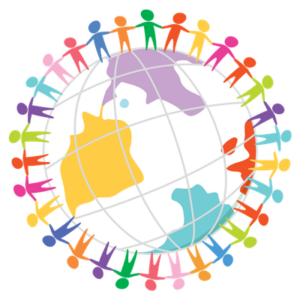
One of the most beautiful things about the francophone world is what happens to French when it arrives somewhere new. It doesn’t stay the same. It bends, borrows, and blossoms.
In West Africa, countries like Senegal and Côte d’Ivoire highlight both French and local languages during celebrations. Schools and community centers host debates, theater performances, storytelling, music, and spelling competitions, emphasizing how languages coexist in daily life. These events often center on youth participation, encouraging students to explore the cultural and linguistic heritage of their region while celebrating the global Francophone community.
In France, Francophonie Day is marked by cultural events, exhibitions, and public performances. Schools may organize workshops, games, or projects focused on French-speaking countries, while communities host concerts, film screenings, and discussions about the French language and its worldwide influence. These celebrations showcase the enduring importance of French as a cultural and unifying language, connecting people across continents through shared artistic and educational activities.
In Haiti, the celebrations reflect the country’s bilingual identity, combining French and Haitian Creole. Schools play a central role, with students participating in poetry readings, music performances, and competitions that explore language, history, and culture. These activities allow young people to engage with both local traditions and the broader Francophone world, highlighting the role of French in education, literature, and civic life.
In Québec, Francophonie Day emphasizes cultural pride and community connection. Schools, libraries, and local organizations organize concerts, storytelling sessions, and workshops, often paired with traditional Québécois food and music. The celebrations highlight the unique history, literature, and identity of French speakers in North America, reinforcing a sense of belonging and pride in the Francophone heritage.
Across all these regions, Francophonie Day is a time to celebrate the French language while honoring the many cultures that speak it, creating connections that span both local and global.
From our table to yours
At EFBA, we don’t just teach French; we live it. This year, we asked our team to share a piece of their own Francophone world with you.
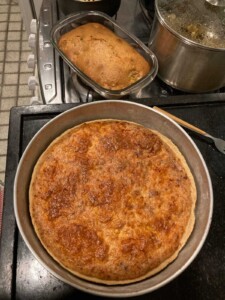
Our Academic Director, Jeannie, offered something simple and perfect: the gâteau au yaourt (yogurt cake). “I always enjoy it,” she says. “It is a kid-friendly recipe that families can make together.” She is right. That simplicity is exactly what makes it a staple in French kitchens. There is no need for scales or measuring cups; just a yogurt pot and a child who can do almost all of it themselves.
One of our teachers, Maud, shared a version of this recipe wrapped in memory. “My mother used to make the best yogurt cake in the world,” she remembers. “It is one of those simple recipes that stays with you forever.” Today, Maud makes it for her own son with a personal twist: small pieces of banana tucked into the batter to make it even softer.
The beauty of this cake is how unfussy it is. Using the empty yogurt pot as your only measuring tool, simply combine:
- 1 pot of yogurt
- 2 pots of sugar
- 3 pots of flour
- ¾ pot of oil
- 3 eggs
- 2 tsp of baking powder
- 1 or 2 bananas, chopped (optional)
Mix well, pour into a buttered cake tin, and bake at 180°C for 30 to 35 minutes. It is a recipe measured in love, not grams.
We invite you to bake this with your family this week. Let the kids lead the way. Let them measure with the pot and mash the bananas. The mess and the memory are the traditions being passed on.
Being a part of the Francophone world is not just learning the language. It is joining nearly 400 million people eating, singing, drumming, baking, dancing, and telling stories in a language that ties them together across oceans and centuries.
Your child is a part of that. And that is worth celebrating.
Bonne Journée de la Francophonie from all of us at EFBA. 🎉
