THIRD CULTURE KIDS
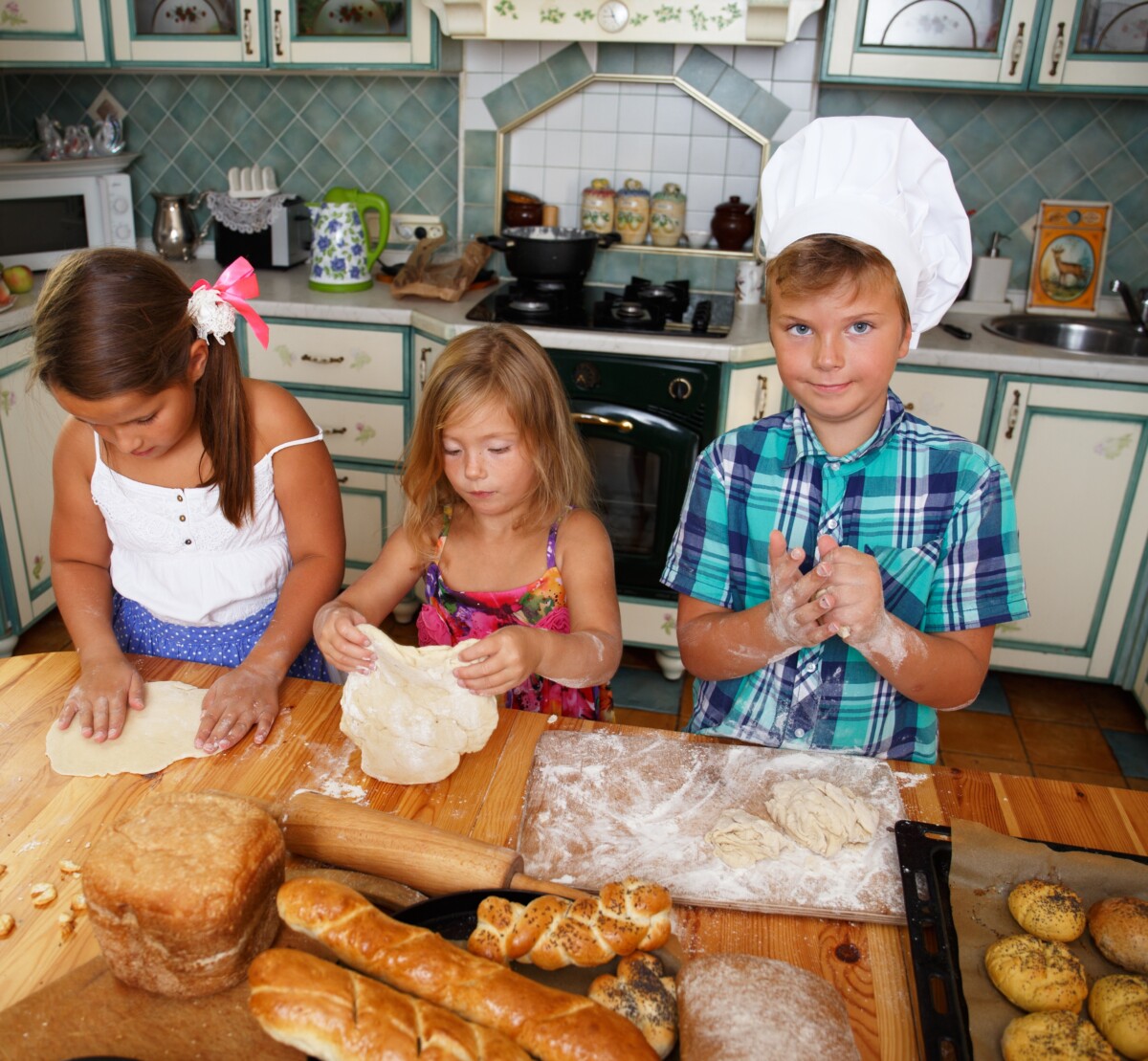
Children of the Third Culture is a Virtual French Kids Cultural Program which introduces youths to the practice of cultural appreciation, and intercultural comprehension. Through fun virtual activities, children will be transported to discover different cultural practices throughout the world, all while making connections to their own culture. Culture and traditions can vary from country to country, however children will discover that we all share things in common!
Online Workshop: Food Traditions Across the French-Speaking World & Cooking Activity
As 2026 draws to a close, the EFBA team is delighted to present the fifth workshop in our Third Culture Kids program. Named after the book of the same name by David Pollock and Ruth Van Reken, this program encourages children to appreciate other cultures and develop intercultural understanding!
This workshop is free for EFBA students. Children and teens not enrolled in EFBA classes are also welcome, with a $19 participation fee that supports our nonprofit’s programs.
About the Workshop
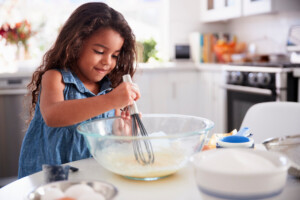
How do people around the world share a meal? What customs and traditions bring them together at the table? We’ll explore mealtime traditions across the French-speaking world, then finish on a sweet note with a hands-on cooking activity: each child will make their own chocolate mug cake! For children under 7, we strongly recommend that an adult be present during the cooking activity. For children ages 7 and up, please have all ingredients and equipment ready before the workshop begins. Children of all ages will need an adult’s help to safely remove and handle the hot mug after microwaving.
Learning Goals
By joining, participants will:
- Broaden their global perspective.
- Discover how culture and environment shape personal experiences.
- Learn and practice French vocabulary, related to food and cooking, while following a recipe!
|
Did you know?
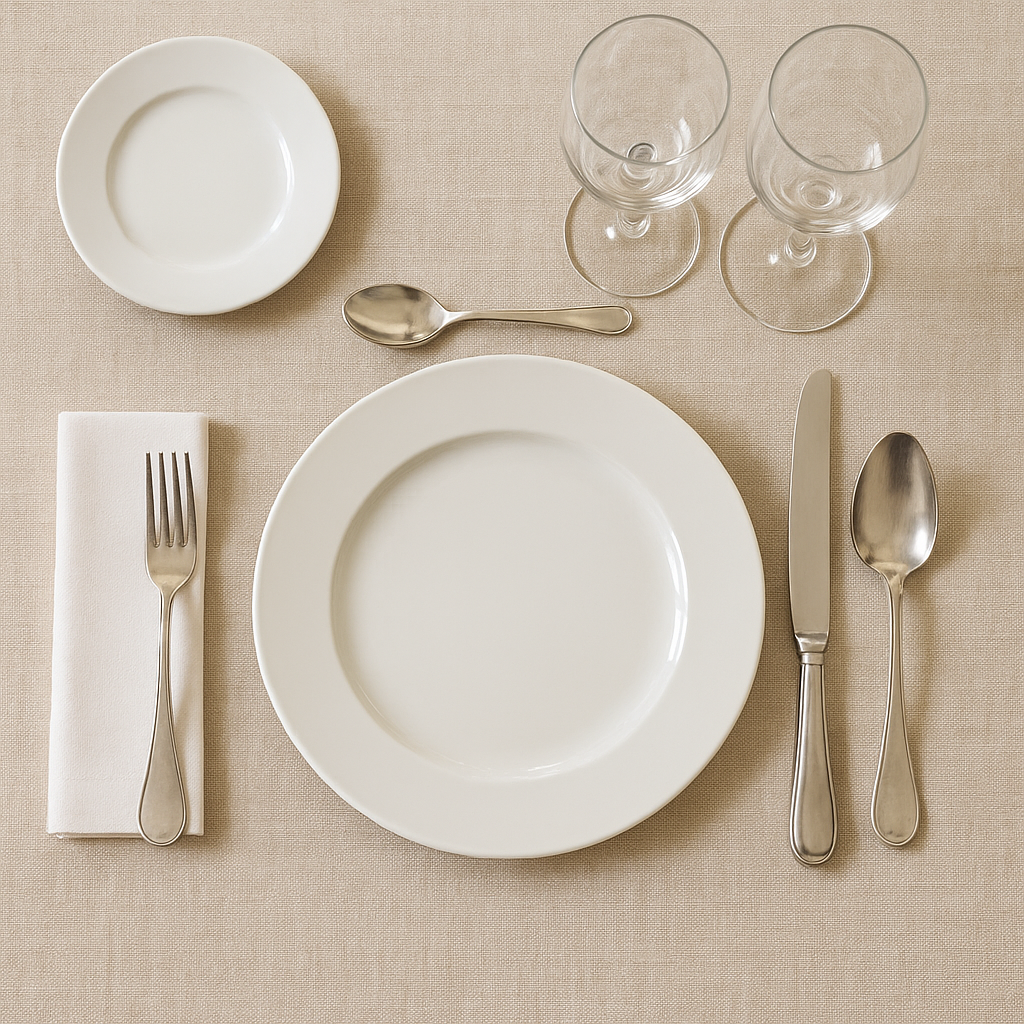
In France, the art of dining is closely tied to social history. At the royal court, and later among the bourgeoisie, meals served as a stage for the hierarchy: specific place settings, the order of dishes, and even the length of a meal conveyed one’s rank and status. These codes left a lasting imprint on dining traditions. Today, even in everyday life, a meal is seen more as a moment to bond with family, rather than just a simple physiological need. In the Maghreb, the traditional practice of eating with the right hand—still common for dishes like couscous or tagine—has roots in both Islam and ancient customs of hospitality. The right hand, considered pure, represents the direct link between the body, food, and the sacred. Sharing a single dish, rather than dividing portions, reflects the meal as a moment of welcome, transmission, and community. Even though utensils are now widely used, this collective gesture continues to convey closeness and warmth. In Ethiopia, meals center on injera, a shared flatbread used to scoop up food. Eating from the same plate, and sometimes feeding another person directly (a gesture known as gursha), reflects a culture where the community takes precedence over the individual. Here, food is not just sustenance but also a profound expression of trust, solidarity, and social connection. |
When: Sunday, December 13, 2027 · 10:00–11:00 am PST
Schedule of the event:
10:00 to 10:30 am : Guest speakers share cultural traditions
10:30 to 11:00 am : Cooking activity
Target audience: Children and teens ages 6 and up. All French levels are welcome.
During the visit, you will need:
- A reliable computer (or tablet) with both webcam (video) and microphone (audio) capabilities.
- The following ingredients and utensils for the cooking activity (Microwave Chocolate Mug Cake):
| List of ingredients and utensils
Ingredients:
Cooking utensils:
Don’t have access to a microwave or need to make substitutions? Email julia@efba.us for an alternative recipe so everyone can participate! |
Prices:
General admission: $19
Special Rate: Free for EFBA students (2026–2027)